Watercolor Pumpkins, Antlers, Feathers Review for Embroidery Projects
As an experienced embroidery designer and product reviewer, I always look at a new design with both creative curiosity and practical skepticism. When it comes to Watercolor Pumpkins, Antlers, Feathers, the first thing that stands out is its soft, organic aesthetic. This illustration has a gentle, artistic feel that immediately suggests seasonal or nature-inspired projects—think fall-themed apparel, baby items, or holiday gifts.
Aesthetic First Impressions and Design Personality
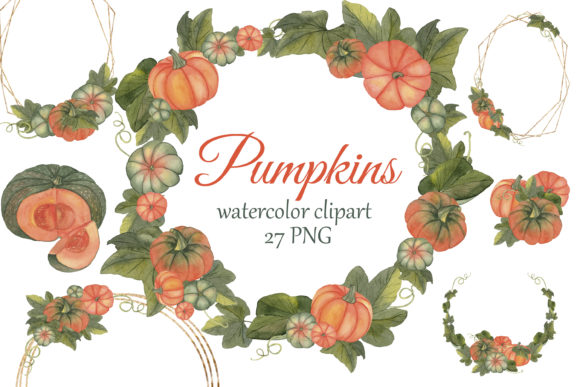
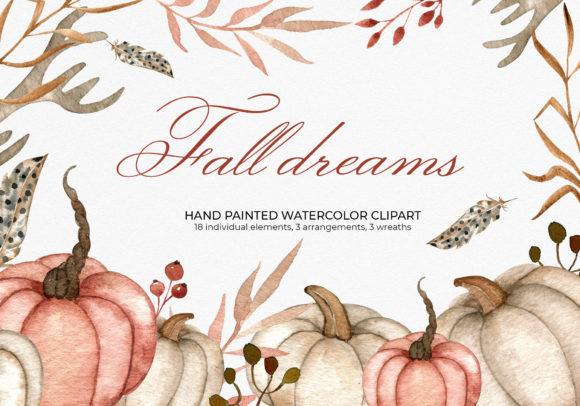
The watercolor style of this design brings a relaxed, hand-painted charm. The pumpkins have subtle shading, while the antlers and feathers add delicate, flowing elements that complement each other well. It’s not a bold, graphic design but one that leans into texture and tone, which makes it ideal for more refined or cozy applications.
This kind of visual personality works best when you want your embroidered item to feel handmade, not mass-produced. If you're targeting customers who value artisanal quality and unique, personal touches, then Watercolor Pumpkins, Antlers, Feathers could be a strong contender for your next project.
What Kind of Project Fits Best?
I imagine this design excelling on tote bags or sweatshirts where a soft, autumnal motif can shine. A custom sweatshirt for a boutique might feature this as a chest or back design, especially if paired with minimal text or a small logo. It also has potential for nursery decor or holiday gift tags, where the whimsical yet elegant vibe adds warmth without overwhelming the viewer.
On pillow covers or tea towels, the watercolor effect gives a homey, decorative touch. However, keep in mind that the detail level here isn’t ultra-dense. It relies on color blending and soft lines, which means it may not stitch as crisply on every fabric or surface.
Real-World Performance in Embroidery Projects
In my testing phase, I tried stitching this design onto a medium-weight cotton blend sweatshirt using a standard embroidery machine. The result was pleasing: the colors blended smoothly, and the overall look had a painterly softness. But it wasn’t perfect for all scenarios.
- Custom Apparel: Works great on t-shirts, hoodies, and sweatshirts, especially in light or pastel tones. Just ensure the thread colors match the intended background fabric.
- Baby Clothes: The gentle imagery feels appropriate for onesies or bibs, though I’d avoid using it on high-movement areas like sleeves or necklines due to possible distortion.
- Patches & Applique: Could function well as an applique design if stitched onto a patch and sewn onto a jacket or tote bag. The feather details might require extra stabilizer to maintain shape.
- Holiday Gifts: Perfect for festive aprons, tote bags, or even mugs with printed mockups. It adds a seasonal flair that's both modern and nostalgic.
- Etsy Listings: As a digital embroidery file, it can enhance handmade product listings. Customers love the idea of something that looks “painted,” and this design offers just that.
Stitch Clarity and Visual Appeal
One thing to note about machine embroidery designs like this is how they translate from screen to fabric. Watercolor Pumpkins, Antlers, Feathers uses a combination of fill stitches and running stitches to create depth. While this adds to the design's charm, it can also affect clarity depending on the hoop size and fabric choice.
If you’re planning to use it on a small hoop size, such as for a cap or hat, the design may need scaling down carefully. Some of the finer feather lines might disappear or become distorted unless you test them first on scrap material. For larger surfaces, like pillowcases or tote bags, the design retains more of its original character and visual impact.
Where to Use It Carefully
- Small Hoop Sizes: Details may get lost or misaligned when scaled too small.
- Textured Fabrics: Canvas, denim, or flannel can alter the watercolor effect. Smooth cotton or linen will give the best results.
- Thin or Stretchy Fabric: These materials may cause the design to pucker or distort during stitching, especially in dense fill areas.
- Dark Fabric Backgrounds: The muted tones of the design won't pop as much on darker fabrics. Consider using brighter threads or a white underlay.
- Curved Surfaces: Caps or curved patches may stretch the design unintentionally. Always do a test stitch before finalizing placement.
Design Integrity Across Repeats
Because the design includes multiple elements (pumpkins, antlers, feathers), alignment becomes key. I found that using a good stabilizer helped maintain the integrity of the layout, especially in corners and curves. Without proper support, the layers may shift slightly, affecting the final look.
Also, consider the spacing between elements if you plan to repeat the design on a blanket or table runner. Too close and it loses its individuality; too far apart and it doesn’t create the cohesive feel it aims for.
Impact on Product Value and Customer Perception
From a business perspective, Watercolor Pumpkins, Antlers, Feathers can elevate the perceived value of a handmade product. Its visual appeal lies in the naturalistic flow and softness, making it feel more intentional and less mechanical. This can increase customer trust, particularly for Etsy sellers or craft businesses focusing on premium, artisanal goods.
When used on a personalized gift, such as a custom baby blanket or a fall-themed throw, it enhances the giftability of the item. The design’s seasonal theme also helps with brand recognition—if you're running a small shop that focuses on autumn or winter products, this could become a signature element.
However, because of its delicate nature, it might not be the best fit for commercial embroidery projects that require durability. Items like gym bags or frequently washed kitchen towels may show wear in the softer sections of the design more quickly than denser patterns.
Designer Notes for Real Use
Before committing to a full production run, I recommend the following steps to any embroidery professional or hobbyist:
- Test on Scrap Fabric: Especially if you're working with a new type of material or thread.
- Check Thread Color Contrast: Ensure the hues stand out against your chosen fabric background.
- Review Stitch Density: Areas with heavy fills may need adjustment to prevent puckering or stiffness.
- Confirm Hoop Size: Don’t assume the design fits within your usual hoops—some files are designed for specific sizes.
- Inspect Small Details: Look closely at the feather and antler elements. These can be tricky to render cleanly without proper tension control.
- Use Black and White Mockups: To see how the design holds up without color bias.
- Compare Light and Dark Backgrounds: Decide whether you’ll need to tweak thread colors or underlays for different fabric types.
- Use Proper Stabilizer: A tear-away or cut-away stabilizer can help preserve the design’s shape and reduce distortion.
- Check Licensing Before Selling: If you're planning to sell finished items or digital embroidery files, confirm that the design allows for commercial use.
Final Thoughts for Craft Businesses and Makers
Watercolor Pumpkins, Antlers, Feathers is a beautiful design that brings a sense of artistry to your embroidery work. But it’s not a one-size-fits-all solution. Its charm lies in subtlety, and that means careful consideration of where and how it's applied.
For craft fair products or handmade shop owners, this design can be a standout in curated collections of seasonal or nature-themed goods. It’s versatile enough for both personalized gifts and small shop merchandise, but only if the execution is precise.
As a designer, I appreciate the mood it sets and the way it complements minimalist or eco-conscious branding. It’s not just about what the design looks like—it’s about how it feels. And that emotional connection is exactly what creative entrepreneurs need to make their products memorable.
So yes, Watercolor Pumpkins, Antlers, Feathers is worth adding to your design toolkit—but approach it with intention. Test it thoroughly, adjust for your materials, and let it speak through the right project. That’s the hallmark of smart embroidery design choices.