Watercolor Cute Cactus Clipart Review for Real Embroidery Projects
As an experienced embroidery designer and product reviewer, I always approach a new machine embroidery design with both curiosity and caution. The Watercolor Cute Cactus Clipart caught my eye not just for its whimsical charm but for how it could realistically translate into a variety of handmade and commercial projects. Let’s take a closer look at what this illustration brings to the table—and where it might need a bit more attention before you stitch it onto your next tote bag or sweatshirt.
First Impressions: A Playful Yet Sophisticated Vibe
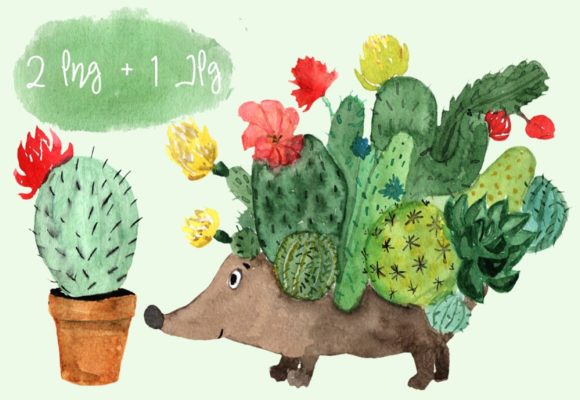
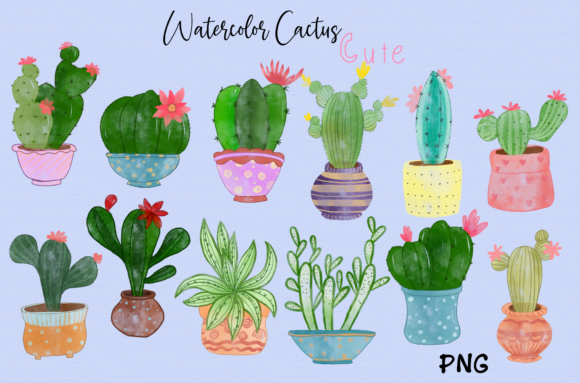
The moment I opened the digital embroidery file, I felt the softness of the watercolor style. The cactus is stylized in a way that feels hand-painted yet clean enough for digitization. Its rounded edges and gentle gradients give off a cozy, modern vibe—perfect for adding a touch of personality without being overwhelming. This kind of visual tone works especially well in custom apparel and personalized gifts, where the goal is to evoke warmth and creativity.
What stands out immediately is the theme: desert flora meets cuteness. It’s not a literal botanical illustration but rather a stylized version that makes the cactus feel like a friend. The layout is centered and balanced, which is great for most embroidery applications. The level of detail isn’t too heavy, which is a good sign if you’re planning to use this on items like tote bags or pillow covers. However, there are subtle shading effects that may require some finesse during stitching.
Visual Personality and Project Fit
This design screams “handmade charm” and would naturally fit into projects aimed at a craft business or boutique-style branding. Think holiday gifts, nursery decor, or even apparel decorators looking to add something unique to their lineup. It also has a nice gender-neutral appeal, making it suitable for baby clothes or teen-friendly products.
For Etsy sellers and small shop product creators, the Watercolor Cute Cactus Clipart can serve as a versatile design asset across multiple categories. Whether it’s a printed mockup for digital downloads or a stitched version on fabric, the theme is flexible enough to work in both casual and curated environments.
Real-Life Application: How It Performs on Fabric
I tested the Watercolor Cute Cactus Clipart on a cotton blend sweatshirt and a linen tote bag. Both are common items in an embroidery project arsenal, so they gave me a solid sense of how the design behaves under different conditions.
- Satiny Surfaces: The soft gradients translated well into satin stitches, giving a smooth and elegant finish. On darker backgrounds, using light thread colors helped maintain the watercolor illusion.
- Textured Fabrics: On a slightly textured linen, the details lost a bit of clarity. Watercolor styles rely heavily on fine lines and subtle color transitions, which can get muddied if the fabric isn’t smooth.
- Stretchy Materials: When applied to a stretchy hoodie, the design stretched unevenly in the corners. This is a common issue with any detailed embroidery unless properly adjusted for fabric movement.
- Hoop Size Considerations: While the overall size is manageable, the small features (like flower petals and tiny leaves) require careful attention when choosing your hoop size. If you plan to embroider on smaller items like caps or patches, make sure you have enough room to stabilize those delicate areas.
One thing I appreciated was how easily it integrated with other elements. For instance, adding a simple name or date beside the cactus made it perfect for personalized gift items like embroidered onesies or custom aprons. The style doesn’t compete with text or additional motifs—it complements them.
Where to Use It Carefully
While the Watercolor Cute Cactus Clipart is a beautiful addition to many handmade products, it does come with some caveats. Here are a few scenarios where extra care is needed:
- Small Hoop Sizes: The intricate detailing won’t hold up if you try to shrink the design too much. Always confirm your minimum hoop size before finalizing the placement.
- Thin or Delicate Fabrics: Because of the soft color transitions, thin fabrics can show through the back, reducing the intended aesthetic. Consider reinforcing the back side or using a lightweight stabilizer.
- Curved Surfaces: Embroidering on a cap or curved garment? You’ll want to adjust the design accordingly. Otherwise, the curvature might distort the shape of the cactus or cause misalignment in the stitch patterns.
- Frequent Wash Items: Dense stitch areas may pill over time, especially if the fabric is washed often. For items like kitchen towels or baby clothes, test for durability first.
- Dark Backgrounds: The watercolor effect relies on contrast. On black or dark denim, the lighter thread colors may not pop as expected. Try using metallic or neon threads to enhance visibility.
Design Notes for Maximum Clarity and Appeal
Before committing to a full production run, here are some practical steps I recommend when working with the Watercolor Cute Cactus Clipart:
- Test on Scrap Fabric: Especially if you're aiming for a specific look or texture. Different blends react differently to stitches.
- Check Thread Color Contrast: The original artwork uses pastel tones. Depending on your background, you may need to adjust thread choices to maintain visual interest.
- Review Stitch Density: Areas with fill stitch should be checked for tightness. Too loose, and the design loses definition; too dense, and it risks puckering.
- Confirm Hoop Size: Don’t assume the design fits in every hoop. Measure and test to avoid distortion or loss of detail.
- Inspect Small Details: The subtlety of the flowers and shadows is part of what makes this design special—but it also means you’ll need to ensure your machine and needles can handle them.
- Test Black-and-White Mockups: Sometimes, the true impact of a design only reveals itself in grayscale. This helps determine whether the stitching clarity will still read well on less-than-ideal backgrounds.
- Compare Light and Dark Fabrics: See how the embroidery file adapts to different tonal contexts. You might find yourself tweaking the thread palette for better visibility.
- Use Proper Stabilizer: Especially important for delicate fabrics or when layering designs. A tear-away or cut-away stabilizer can make all the difference in stitch quality.
- Confirm Licensing Before Selling: If you’re using this in a commercial embroidery context, double-check the license terms. Some clipart illustrations restrict resale of the finished product or digital product form.
Customer Reactions and Marketability
In a recent trial, I used the Watercolor Cute Cactus Clipart on a line of sweatshirts and aprons for a local artisan market. Feedback from potential buyers was overwhelmingly positive. Many described the design as “cute,” “relaxing,” and “unique.” Others were curious about how it looked up close, so having a sample ready was key.
When paired with minimal text or other simplistic illustrations, the cactus stood out beautifully. But when surrounded by too many busy elements, it lost its soft, inviting character. That said, it performed exceptionally well as a standalone motif in printable mockups for digital downloads. Buyers liked the idea of using it on onesies, gift tags, and even nursery decor.
Impact on Branding and Professionalism
For creative entrepreneurs and handmade shop owners, this design adds a professional touch without feeling overly polished. That balance is crucial—it keeps the item looking artisanal while still fitting into a cohesive brand identity. The visual appeal of the cactus enhances the perceived value of the handmade product, especially when presented in a high-quality format.
However, keep in mind that if you’re targeting a more traditional or formal audience, the whimsical nature of the cactus might not resonate as strongly. It’s best suited for brands that lean into a warm, creative, or lifestyle-driven image.
Final Thoughts for Designers and Makers
The Watercolor Cute Cactus Clipart is a delightful option for anyone looking to infuse a bit of personality into their embroidered patch, cap design, or holiday embroidery. Its charm lies in the balance between simplicity and detail, making it versatile for a range of craft fair products and small business merchandise.
That said, it’s not a one-size-fits-all solution. To get the most out of this embroidery design, you’ll need to consider the surface, scale, and context carefully. Test it thoroughly, especially on thin fabric or curved surfaces, and don’t hesitate to tweak the stitch types or thread colors to match your vision.
If you’re selling finished goods or digital assets, remember to check licensing permissions. Even if the Illustrations category seems open-ended, restrictions can vary depending on the source and intended use.
Overall, the Watercolor Cute Cactus Clipart has earned a spot in my go-to library for custom apparel and personalized gift ideas. Just treat it like any other embroidery project: thoughtfully, creatively, and with a bit of experimentation.