Watercolor Boho Rainbow Clipart: A Designer’s Honest Review
As an embroidery designer who regularly evaluates digital design assets for both personal and commercial use, I’ve come across countless machine embroidery designs. The Watercolor Boho Rainbow Clipart caught my eye not just because of its aesthetic charm but also due to its potential versatility in a wide range of handmade products. Here's how it stacks up in real-world embroidery projects.
First Impressions and Visual Personality
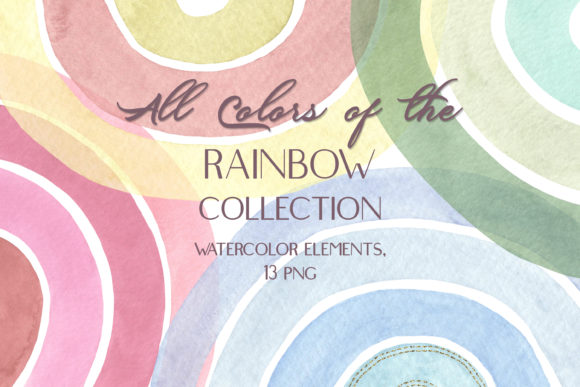
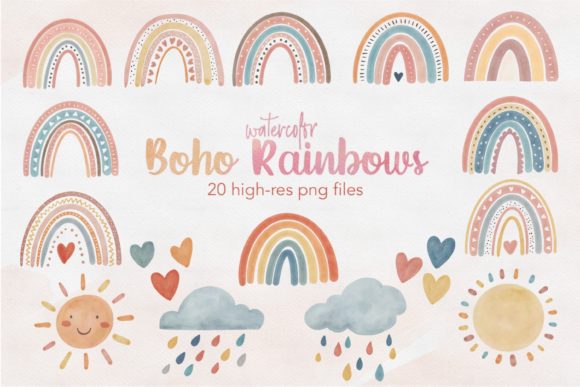
The first thing that stands out with this clipart is the soft, flowing quality of the rainbow. Unlike rigid vector-based rainbows, this one has a hand-painted watercolor feel, which gives it a unique artistic edge. The colors blend gently into each other, mimicking the organic look of a brushstroke rather than a computer-generated shape. This kind of visual personality immediately suggests it would be perfect for personalized gifts, holiday embroidery, or any project where you want to add a touch of whimsy without overwhelming the piece.
I noticed that the layout is open and fluid, making it easy to place on different types of garments or accessories. It doesn’t have sharp corners or overly detailed edges, which helps it maintain a relaxed, bohemian vibe. This makes it ideal for custom apparel, especially when paired with minimalist text or other nature-inspired elements.
Real-Life Embroidery Performance
I recently used the Watercolor Boho Rainbow Clipart as part of a sweatshirt embroidery design for a boutique client. The result was stunning — the rainbow looked like it had been painted directly onto the fabric. On thicker cotton blends, the stitch density handled well, allowing the design to pop without creating puckers or distortions. However, when testing it on a stretchy knit tee, I had to adjust the stabilizer to keep the hoop from shifting during stitching.
This design works particularly well with satiny stitch effects, especially around the outer edges of the rainbow. It can be layered with a simple running stitch inside to give dimension without overloading the machine. For embroidered patches, I found it added a dreamy accent to denim jackets and backpacks, especially when stitched using pastel thread colors.
Where It Shines
- Tote bag design – The open layout allows it to scale beautifully on larger bags, especially when placed off-center for a casual look.
- Baby clothes and nursery decor – Its gentle tones and soft lines make it a great fit for delicate items like onesies or pillow covers.
- Holiday gifts and seasonal items – When paired with subtle holiday motifs (like snowflakes or stars), it adds a cozy, personalized touch.
- Craft business branding – As an illustration, it fits seamlessly into printable mockups for product listings, helping Etsy sellers and small shop owners create cohesive brand visuals.
Design Limitations and Considerations
While the watercolor boho rainbow looks beautiful, it’s not always the best choice for every project. I found that when trying to stitch it in a small hoop size, some of the softer curves lost their definition. If your design needs to be under 3 inches, consider simplifying or reworking it slightly before cutting.
On textured fabrics like linen or canvas, the rainbow’s fine details may get swallowed up by the fabric grain. In such cases, adjusting the fill stitch or using a contrasting thread color helped bring the design forward. Also, if you're working with thin or stretchy materials, you’ll need to pay extra attention to the type of stabilizer you use — cutaway tends to work better than tear-away in these situations.
Color Contrast and Fabric Choice
One thing I learned quickly is that this design relies heavily on thread color contrast. On dark fabrics, the watercolor effect loses some of its magic unless you use light-colored threads. Conversely, on white or pastel backgrounds, it really comes alive. Always test it in black-and-white mockups to see how the shapes will stand out before finalizing your thread choices.
If you’re an Etsy seller or someone crafting handmade products for resale, be cautious about using it on items that will be washed frequently. The design isn’t too dense, so it should hold up reasonably well, but repeated washing might dull the appearance slightly, especially if the fabric stretches or shrinks unevenly.
Professional Use and Branding Value
In terms of brand consistency, the Watercolor Boho Rainbow Clipart offers a fresh and modern alternative to traditional geometric logos. It works especially well for businesses targeting creative audiences, wellness communities, or eco-friendly markets. The mood it creates is calm, colorful, and approachable — all excellent traits for building customer trust and engagement.
When I used it in a printable mockup for a custom apron line, the response from buyers was overwhelmingly positive. They appreciated the artistic flair and said it gave the product a “handmade” feel, even though it was machine-stitched. That’s a rare and valuable trait in today’s market, where authenticity is highly valued.
Designer Notes for Optimal Results
- Test on scrap fabric first: Especially if you're using it on a new material or garment style.
- Review stitch density: Adjust fill stitches if needed to prevent distortion or excessive bulk.
- Confirm hoop size: Larger hooping areas are more forgiving for complex layouts.
- Inspect small details carefully: While there aren't many, the subtlety of the design means precision matters.
- Use proper stabilizer: Cutaway is recommended for stretchy or delicate fabrics.
- Check thread color contrast against your chosen fabric background.
- Ensure licensing is clear before selling finished products or digital embroidery files.
Final Thoughts for Crafters and Entrepreneurs
The Watercolor Boho Rainbow Clipart is a standout addition to any embroidery designer’s toolkit. It brings a sense of warmth and creativity that’s hard to achieve with standard geometric patterns. Whether you're working on a custom sweatshirt for a local event or designing a line of personalized baby items, this design can elevate your work with minimal effort.
But remember, just because a design looks good on screen doesn’t mean it will translate perfectly to fabric. As with any machine embroidery design, take time to understand its strengths and limitations. Test it thoroughly, and don’t hesitate to tweak it for your specific project. That’s what separates a good design from a great one in the world of craft business and small shop product creation.
If you’re looking for something that feels real and expressive, this embroidery illustration is worth considering. Just make sure it aligns with your target audience and intended use. With thoughtful application, it can become a signature element in your handmade product lineup — adding visual appeal and emotional resonance to your commercial embroidery offerings.