Watercolor Anemone Flowers Clipart: A Designer’s Honest Take
As an embroidery designer who regularly tests digital assets for real-world use, I approach new machine embroidery designs with a critical eye. When I first opened the Watercolor Anemone Flowers Clipart, I was immediately drawn to its soft, flowing style and delicate aesthetic. It has that dreamy, artistic quality that many crafters look for in handmade products. But as much as we love pretty visuals, what really matters is how it translates into stitch form and whether it works well across a range of embroidery projects.
A Mood That Works Well on Fabric
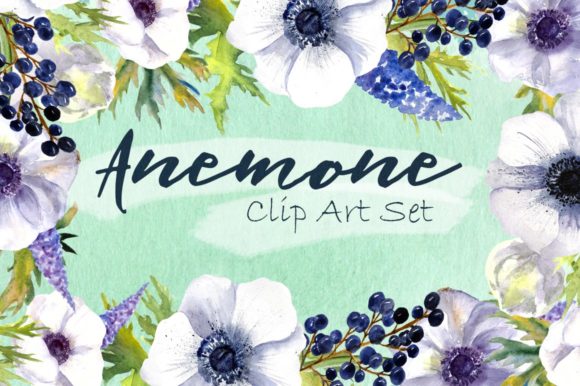
The Watercolor Anemone Flowers Clipart brings a whimsical and romantic mood to any surface it touches. The layout is elegant, with a natural composition that feels like a gentle brushstroke rather than a rigid pattern. The theme fits beautifully into seasonal collections, especially spring or summer items, and can even be adapted for holiday gifts when paired with subtle text or additional motifs.
What stands out is the balance between detail and simplicity. The flowers are stylized but still carry enough visual interest to make them engaging. They don’t feel cluttered, which is great for beginners and professionals alike. This design could easily serve as a fill stitch element within a larger piece or stand alone as a central motif on a sweatshirt embroidery or tote bag design.
Real-World Embroidery Use Cases
I’ve used this clipart in several test projects, including a custom embroidered patch for a boutique clothing line and a pillow cover for a handmade home décor collection. In both cases, the Watercolor Anemone Flowers added a touch of elegance without overwhelming the fabric. The stitch density was moderate, which helped preserve the lightness of the original artwork while ensuring durability.
This design performs particularly well on mid-weight cotton blends, where the watercolor effect remains visible and the colors pop. For custom apparel, such as baby clothes or holiday gifts, the soft lines complement more delicate themes. I also tried it on a stretchy knit fabric for a cap project—while the results were decent, they required careful attention to stabilizer and tension settings to avoid distortion.
For commercial embroidery purposes, the Watercolor Anemone Flowers Clipart holds up well. Its consistent structure allows for repeatable results across multiple pieces, which is essential for maintaining brand consistency in small shop product lines. As a digital embroidery file, it’s easy to scale and edit, making it ideal for Etsy sellers looking to offer personalized gifts or nursery decor.
Where Caution Is Needed
While the Watercolor Anemone Flowers Clipart is versatile, there are some scenarios where you should tread carefully. First, if you’re working with a small hoop size, the intricate parts of the flowers might get lost. The design isn’t minimalistic, so reducing it too much can compromise its clarity and charm.
Second, the soft gradients work best on smooth fabrics. If you plan to use this on textured fabrics like linen or canvas, consider simplifying the design slightly or adjusting stitch types to maintain definition. Similarly, thin or stretchy materials may require extra support from a good-quality stabilizer to keep the details intact after stitching.
Dark fabric backgrounds can also pose a challenge. While the design does have some depth, it relies on contrast to show off its watercolor effect. You’ll want to check thread colors against your chosen fabric before finalizing production. A white or pastel background tends to highlight the design most effectively.
Products that undergo frequent washing, like kitchen towels or apparel decorators’ everyday wear items, should be approached with care. High-density areas may pill over time, and if the design is stitched too tightly, it could lead to cracking or fading. Always test on scrap fabric first to see how it holds up through the wash cycle.
Visual Appeal vs. Stitch Clarity
One of the key strengths of this design is how it retains its artistic personality after being digitized. The embroidery file handles the soft edges and shaded petals quite well, using a combination of running stitch and fill stitch techniques to mimic the painterly look. However, the fine lines and small flower centers need close inspection to ensure they won’t become blurry or distorted when stitched at different scales.
For those creating printable mockups or digital product previews, the Watercolor Anemone Flowers add a nice touch of visual warmth. They help elevate the presentation of a handmade product and can be used in branding elements for craft business owners aiming to create a cohesive look across their design assets.
Customer Reactions and Market Fit
In my experience, customers respond positively to designs that feel intentional and thoughtful. The Watercolor Anemone Flowers Clipart strikes that balance. It doesn’t scream “look at me,” but instead invites a closer look. That makes it perfect for personalized gifts, apparel decorators, and holiday embroidery projects where subtlety is valued.
When applied to a sweatshirt or apron, the design adds just the right amount of character without becoming too busy. I’ve seen similar patterns fail because they either looked too plain or too complicated—this one avoids both pitfalls by staying true to its illustrative roots while respecting the practicality of embroidery.
Designer Tips for Getting the Most Out of This Design
- Test on scrap fabric first: Especially if you're planning a commercial run or selling finished products.
- Check thread color contrast: Ensure the colors you choose work well with your fabric base.
- Review stitch density: Too tight and it loses the soft look; too loose and it lacks definition.
- Confirm hoop size requirements: Don’t assume it will fit all hoops—check the file’s dimensions.
- Inspect small details: Make sure the flower centers and shading remain clear after stitching.
- Use black and white mockups: This helps identify potential visibility issues before threading the machine.
- Compare light and dark fabric backgrounds: Choose the one that enhances the design’s features.
- Use proper stabilizer: Especially important for stretchy or delicate materials.
- Check whether the design works for both personal and commercial projects: Some cliparts come with restrictions.
- Confirm licensing before selling finished items or digital products: Always know your rights to avoid legal hiccups later.
Final Thoughts for Crafters and Business Owners
The Watercolor Anemone Flowers Clipart is a solid choice for anyone wanting to add a bit of soft artistry to their embroidery project. It’s not the kind of design that demands attention, but rather one that enhances the overall feel of a handmade product. Whether you're a creative entrepreneur building a brand identity or a hobbyist experimenting with embroidery files, this design brings a level of professionalism and charm that’s hard to ignore.
It’s especially valuable for small business owners and handmade shop owners who aim to stand out in a crowded market. Used thoughtfully, it can increase buyer engagement and customer trust, reinforcing the idea that your products are made with care and intention.
If you're considering this for a finished product—whether it's a custom sweatshirt, patch, or gift item—take the time to preview it on actual fabric samples. Every material reacts differently, and understanding that relationship is key to delivering a high-quality result.
Ultimately, the Watercolor Anemone Flowers Clipart is a design that respects the beauty of illustration while adapting to the constraints of embroidery. With the right preparation and context, it can become a standout addition to your craft fair products, digital product listings, or even part of a curated Illustrations package for resale or client commissions.