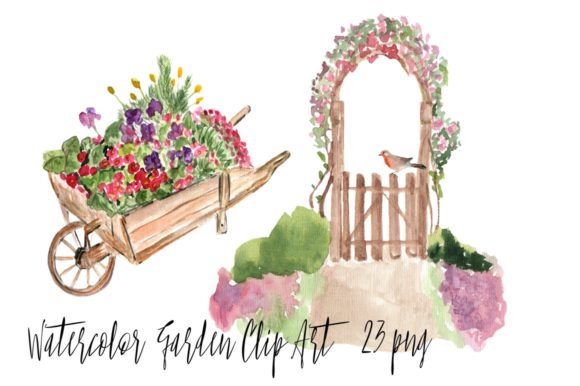
23 Watercolor Garden Clip Art for Creative Design Projects
As a professional graphic designer with years of experience in branding, packaging, and digital marketing visuals, I recently reviewed the 23 Watercolor Garden Clip Art set to assess its viability for use on real client projects. This design asset caught my attention for its soft, organic aesthetic and versatility across both print and digital applications. In this review, I’ll walk you through how these illustrations can enhance your creative work, what types of clients they suit best, and key considerations before integrating them into your next project.
A Soothing Visual Language for Modern Design
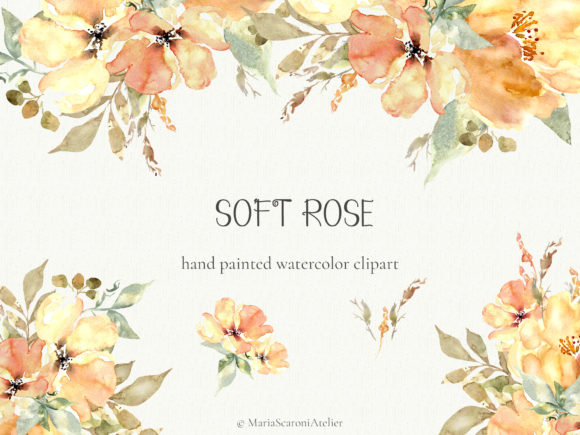
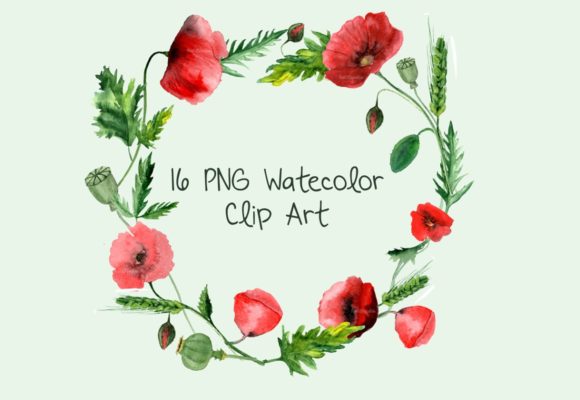
The first thing that stood out was the mood these watercolor garden illustrations create. They emit a sense of calm, warmth, and natural beauty—perfect for brands that want to communicate eco-friendliness, wellness, or artisanal craftsmanship. The style is hand-painted but refined enough to feel cohesive and professionally crafted. These are not just cliparts; they’re illustrations that bring a touch of nature into any design context.
What I appreciated most is how each element feels intentional yet playful. The flowers, leaves, vines, and butterflies are rendered with subtle textures and soft gradients, making them ideal for designs where visual harmony is more important than sharp detail. This kind of graphic design asset works particularly well in editorial layouts, product labels, and social media graphics that aim to evoke emotion and connection.
Applications in Brand Identity and Packaging Design
I tested the 23 Watercolor Garden Clip Art in several scenarios. One of the strongest fits was in brand identity for a handmade skincare line. The illustrations added an elegant, botanical flair to the logo concept and label mockups. Their muted tones complemented a pastel color palette, reinforcing the brand’s commitment to all-natural ingredients and gentle care.
In packaging design, these illustrations helped differentiate the product from competitors by adding a personal, artisan touch. When placed as decorative accents on jar wraps or gift box designs, they enhanced the perceived value without overwhelming the layout. For a small business owner launching an online store, especially on platforms like Etsy, these assets could be the difference between a generic look and a memorable one.
Useful in Product Mockups and Themed Collections
When designing product mockups, such as greeting cards or home décor items, the 23 Watercolor Garden Clip Art performed admirably. The PNG files had clean edges and transparent backgrounds, which made layering easy in Adobe Photoshop and Illustrator. For print-on-demand sellers, these design assets offer great flexibility, especially when creating seasonal collections or themed bundles for spring or summer campaigns.
These illustrations also shine in themed collections. Whether it’s a series of stickers for a Cricut project or a set of Pinterest pins for a lifestyle blog, the cohesive look of the garden motifs ensures consistency while still allowing for variety in composition and placement.
Performance in Digital and Print Contexts
I experimented with using the 23 Watercolor Garden Clip Art in various digital formats. On social media graphics, particularly Instagram posts and Canva templates, the illustrations added a whimsical, handcrafted feel. They worked especially well in carousel ads or story templates where the goal is to capture attention with visual storytelling rather than hard selling.
For web design, I found that the SVG format allowed for easy scaling and responsiveness. Placing the illustrations in hero sections or background overlays gave the site a fresh, inviting atmosphere. However, I noticed that at smaller sizes, the intricate brushstrokes lost some clarity. Always preview the clipart in context before finalizing your layout.
Strengths in Decorative and Emotional Appeal
One of the greatest strengths of this illustration set is its emotional appeal. It adds a sense of authenticity and approachability to a design. For creative marketplaces or printable designs, such as wall art or journal pages, the watercolor style invites interaction and enhances the user experience. Viewers tend to engage more with content that feels tactile and hand-drawn.
However, the same quality that makes these illustrations appealing can also make them less suitable for certain contexts. If your project requires high contrast or legibility over complex patterns, these might not be the best fit. Similarly, in minimalist branding or corporate materials, their ornate nature could clash with the intended visual hierarchy and professionalism.
Design Considerations for Real-World Use
- Test in Black and White: While the colors are beautiful, I recommend checking how the illustrations hold up in grayscale for monochrome printing or accessibility testing.
- Check Contrast: Ensure there's enough contrast against both light and dark backgrounds, especially if used in UI elements or signage.
- Preview at Different Sizes: Due to the softness of the brushstrokes, always test the SVG design or PNG files at both large and small scales.
- Place on Real Mockups: Try applying the watercolor garden clip art to actual product mockups to see how it translates in real-world use.
- Test Print Quality: If planning for physical products like mugs, tote bags, or stickers, run a quick print test to confirm the file resolution and vibrancy.
- Review File Formats: Make sure the bundle includes editable vector formats (like SVG) if you plan to customize the illustrations for specific needs.
- Inspect Transparency: For layered designs or overlay effects, verify that the PNG files have accurate alpha channels and no unwanted artifacts.
- Font Pairing Test: I paired these illustrations with serif fonts for a classic look, sans-serif for modernity, and script/handwritten fonts for a cohesive theme. The results were varied but generally harmonious.
- Confirm Commercial Licensing: Before using this design bundle for a client or commercial product, double-check the license to ensure it supports resale, redistribution, or embedding in digital goods.
Where These Illustrations Excel and Where to Be Cautious
These illustrations work best in areas where visual mood is key: large hero banners, poster designs, printable wall art, and decorative elements in editorial layouts. They add a unique character to marketing visuals and help build a strong emotional connection with the audience.
On the flip side, use caution in the following situations:
- Small Sizes: The fine details may become indistinct when scaled down.
- Crowded Layouts: Too many overlapping elements can reduce readability and dilute the message.
- Complex Backgrounds: Avoid placing them over busy textures unless you adjust opacity or add a drop shadow for separation.
- Low-Contrast Designs: The soft tones may blend too much with similar hues, reducing visual impact.
- Minimalist Branding: While they can add a nice accent, they shouldn’t dominate in a design that relies on simplicity and clarity.
- Professional Corporate Materials: Unless the brand has a very creative or artistic identity, these illustrations may not align with a polished corporate image.
Enhancing Audience Engagement and Brand Recognition
From a branding perspective, the 23 Watercolor Garden Clip Art can significantly boost audience engagement and brand recognition. The consistent style helps reinforce brand personality across multiple touchpoints. For example, using the same flower motif in email headers, social media bios, and product packaging creates a unified visual language that customers begin to associate with your brand.
This kind of creative design asset is especially valuable for businesses targeting women, wellness enthusiasts, or those in the floral, gardening, or lifestyle niches. The illustrations naturally support a warm, inviting tone that resonates with audiences looking for authenticity and charm.
Final Thoughts on Using 23 Watercolor Garden Clip Art
In summary, the 23 Watercolor Garden Clip Art is a solid addition to any designer’s toolkit. It offers a rich collection of illustrations that are both versatile and visually engaging. Whether you're working on a digital product, a sublimation design, or a full suite of brand identity elements, these assets can elevate the overall impression and emotional resonance of your work.
That said, as with any graphic design asset, it's important to evaluate how well it aligns with your client’s goals and target audience. These illustrations are best suited for handmade businesses, boutique product lines, and seasonal campaigns where a soft, organic feel is desired.
If you're a marketer, blogger, or content creator, consider using them in blog visuals, editorial calendars, or Pinterest pins to add a creative edge. For crafters and Cricut users, the SVG format provides excellent scalability for die-cutting and cutting machines.
Before purchasing, always verify the commercial license to avoid any legal pitfalls. And remember to test the illustrations in real-world applications—from logo design to flyer design—to ensure they meet your standards for professional design.
Used thoughtfully, the 23 Watercolor Garden Clip Art can transform a basic Canva template into a standout piece or turn a standard merchandise design into something memorable. It’s not just about aesthetics—it’s about crafting visuals that tell a story and connect with your audience in meaningful ways.