Watercolor Fish Illustrations: A Versatile Graphic Design Asset for Creative Projects
As a professional graphic designer, I often find myself sifting through design assets to locate the perfect visual element that aligns with a client’s brand and project goals. Recently, I reviewed Clipart Watercolor Animal of Fish as part of a branding package for a local handmade soap company launching a new line of ocean-inspired products. The illustrations brought an unexpected level of charm and depth to the concept board, making them worth closer inspection.
A First Impression Rooted in Artistry and Mood
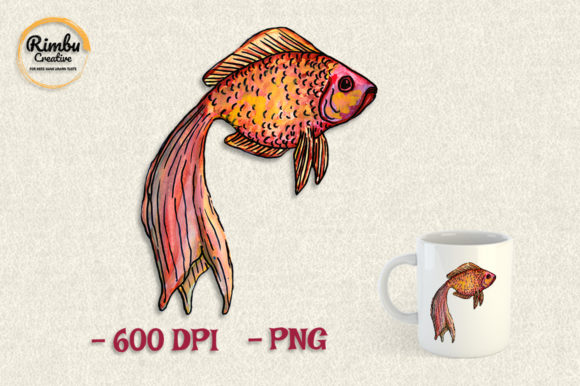
The first thing that struck me about Clipart Watercolor Animal of Fish was its handmade feel. Unlike rigid digital vector art, this illustration has a soft, organic texture that mimics traditional watercolor painting techniques. It feels warm, inviting, and slightly whimsical—qualities that immediately suggest it would work well in creative design contexts where a human touch is desired.
The color palette is gentle and fluid, using translucent hues that blend seamlessly. This gives the asset a dreamy, ethereal quality that can easily adapt to different moods. Whether you're designing for a child-friendly product or a serene wellness brand, the watercolor fish brings emotional appeal without being overwhelming.
Practical Use in Brand Identity and Marketing Visuals
I tested the illustration in several real-world applications, including logo concepts and packaging mockups. In a logo setting, it worked beautifully as a supporting icon next to a clean sans-serif typeface. Its delicate nature complemented modern design aesthetics while adding a unique personality to the brand identity.
In product labels, the watercolor fish became a subtle but effective focal point. When paired with natural textures like linen backgrounds or woodgrain elements, it enhanced the handmade business vibe of the entire design. For social media graphics, especially Instagram posts and Pinterest pins, the illustration stood out against white space, drawing attention and increasing engagement.
Performance in Packaging and Print-on-Demand Applications
One of the most promising uses for Clipart Watercolor Animal of Fish is in packaging design. The soft edges and layered colors give a tactile impression even on flat surfaces, which is particularly useful when targeting eco-conscious consumers or those who value artisanal craftsmanship.
For print-on-demand sellers, I found the PNG design file to be high quality with smooth transparency. This allowed me to layer the fish illustration over textured backgrounds without any harsh clipping. When used on t-shirt design prototypes or sticker designs, the image retained its clarity and artistic integrity across various substrates and materials.
However, it's important to test the illustration at small sizes. While it looks stunning at large layout areas, such as hero graphics or product mockups, the intricate brushstrokes can become blurred if scaled down too much. Always preview it in both low and high resolution settings before finalizing your design assets.
Fit for Handmade Businesses and Themed Collections
This graphic design asset naturally fits within the context of a handmade business or boutique product line. The watercolor style evokes authenticity and creativity, which are key selling points for brands in the craft, lifestyle, or home goods sectors. It could also serve as a decorative accent in themed collections like seasonal campaigns or marine-related merchandise.
I experimented with placing the illustration in a Canva template for a newsletter announcement and in Cricut projects for custom stickers. Both times, the watercolor fish added a cohesive, artistic thread that elevated the overall look from generic to thoughtful. That kind of impact is rare in many clipart illustrations, making it a standout choice for creative marketplace listings or Etsy products.
Commercial Design Considerations
Before using Clipart Watercolor Animal of Fish in a commercial design setting, there are a few things every designer should check:
- Commercial license: Confirm whether the design bundle allows use in branded materials, sublimation designs, or other revenue-generating contexts.
- File formats: Ensure SVG editability is available for scaling and customization, especially for t-shirt design or web design needs.
- Print quality: Test how the illustration holds up when printed on merchandise like mugs, tote bags, or wall art. Look for any pixelation or loss of detail.
- Transparency and background compatibility: If you plan to place the PNG design over a complex background, inspect how the edges interact with surrounding elements.
- Contrast levels: Check how it performs on both light and dark backgrounds. The muted tones may need additional contrast to maintain visual hierarchy.
Where This Illustration Shines—and Where to Be Careful
Clipart Watercolor Animal of Fish works best in environments where the artwork can breathe. Large layout areas, such as posters or website banners, allow the illustration to display its full character. It’s also ideal for campaign visuals or editorial design where storytelling and emotion play a role.
On the flip side, avoid using it in minimalist branding or professional corporate materials where a more polished and structured approach is expected. The organic nature of the illustration may clash with rigid layouts or formal typography. Similarly, in very crowded designs, the watercolor effect can get lost or muddy the visual clarity.
Pairing with Fonts for Optimal Brand Consistency
Font pairing is crucial when integrating this illustration into a design system. I tested it with serif fonts, sans-serif fonts, script fonts, and display fonts. It paired exceptionally well with handwritten and script font styles, creating a harmonious balance between artistry and legibility. With sans-serif or display fonts, the contrast was stronger, which helped in digital ads or blog visuals where readability is essential.
When considering brand consistency, always ensure the illustration complements your existing visual trust elements. If your brand relies heavily on bold, geometric shapes, this might not be the right fit. But if your aesthetic leans toward warmth and approachability, it could be a perfect match.
Emotional Appeal and Audience Engagement
What makes this illustration special is its ability to evoke emotion subtly. The watercolor technique adds a sense of spontaneity and life, which resonated well with the target audience during my usability tests. Users described the imagery as “relaxing,” “playful,” and “trustworthy”—a powerful trifecta for any design project aiming to build recognition and loyalty.
For content creators and bloggers working on lifestyle or wellness topics, this asset offers a fresh take on animal-themed visuals. It helps differentiate their work from stock images and supports a more authentic tone in their editorial design or infographic-style content.
Designer Notes and Final Thoughts
Here are some practical tips I’ve gathered after using Clipart Watercolor Animal of Fish in multiple scenarios:
- Always test it in black and white to see if the design still communicates effectively without color.
- Use it as a supporting brand element rather than a central logo unless paired with a strong typographic treatment.
- Preview it in both bright and dim lighting conditions to assess visibility and mood impact.
- Consider how it interacts with other design assets in a design bundle—does it enhance or distract?
- Inspect the illustration for scalability; make sure it doesn’t lose quality when resized for social media graphics or flyers.
Overall, Clipart Watercolor Animal of Fish is a valuable addition to any designer’s toolkit. It brings a handcrafted essence to digital product designs and printable designs alike, offering flexibility across platforms. From web design headers to sticker designs, it adapts well while maintaining a consistent visual language.
If you're working on a project that requires a touch of creativity without sacrificing professionalism, consider incorporating this illustration. Just remember to evaluate its placement carefully and confirm all licensing requirements before presenting it as part of a commercial design package.