Watercolor Physalis Clip Art: A Versatile Illustration for Local Business Branding
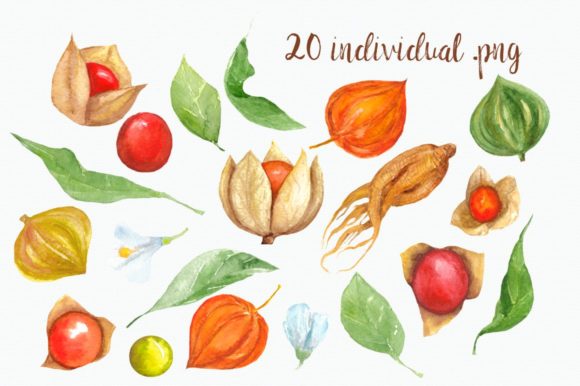
As a brand designer with years of experience working with local businesses, I’m always on the lookout for design assets that bring personality and authenticity to branding. When I first encountered Watercolor Physalis Clip Art, it immediately caught my eye—not just for its aesthetic appeal, but for the way it communicates warmth, natural charm, and a touch of elegance. This illustration isn’t just decorative; it’s a strategic asset that can enhance product packaging, labels, promotional materials, and more when used thoughtfully.
Aesthetic Appeal That Aligns with Organic and Handmade Brands
The watercolor style of this physalis clip art gives off a soft, hand-painted feel that aligns well with brands focusing on natural ingredients, artisanal craftsmanship, or seasonal themes. The gentle brushstrokes and subtle color variations evoke a sense of care and attention—perfect for handmade businesses like organic skincare lines, boutique teas, or farm-to-table food products.
This illustration suggests a brand personality that is friendly, approachable, and slightly whimsical. It works especially well in environments where you want to emphasize freshness or local sourcing. For instance, if I were designing visuals for a small florist or a seasonal candle brand, I would consider using this asset as an accent to highlight the natural and handmade aspects of their offerings.
Practical Uses Across Packaging and Branding Materials
One of the biggest strengths of Watercolor Physalis Clip Art is its adaptability across various graphic design applications. Here are some real-world uses I’ve considered while evaluating it for a client project:
- Product Labels: Use it as a background or border element on labels for jams, preserves, or herbal teas to add visual interest without overwhelming the text.
- Packaging Design: Incorporate it subtly into gift box wraps, jar labels, or tote bag designs to reinforce a rustic or organic vibe.
- Social Media Graphics: Feature it in hero images for Instagram posts, Facebook ads, or Pinterest boards promoting seasonal items or limited-edition products.
- Thank-You Cards: Add a personal touch by embedding it into custom thank-you cards for customer appreciation campaigns.
- Hang Tags: Pair it with minimal text to create elegant hang tags for boutique clothing lines or home decor items.
- Menu Graphics: In a coffee shop or bakery setting, use it to frame seasonal menu sections or dessert options.
I also see potential for using it in printable inserts or stickers for loyalty programs, adding a cohesive visual thread between online and physical branding elements.
Supporting Brand Presentation and Customer Trust
Visual consistency is key in building brand recognition, and the right illustration can help establish that. The Watercolor Physalis Clip Art contributes to stronger first impressions by offering a unique yet familiar motif that feels intentional. When used consistently across different design assets, it helps create a clear visual hierarchy and reinforces your brand's identity.
For example, in a recent project for a local healthy snack brand, we needed something that conveyed freshness and quality without being too bold. After testing several illustrations, the watercolor physalis stood out as a perfect fit—it added a natural flair that helped build customer trust through visual storytelling. People could tell these weren’t mass-produced snacks; they were wholesome and made with care.
Additionally, the illustration enhances shelf appeal when printed on packaging. Its soft colors and delicate shapes don’t clash with other details, but instead complement them, helping the product stand out in a crowd of generic packaging. It supports emotional connection by tapping into nostalgic or artistic aesthetics that resonate with customers who value modern design with a handcrafted soul.
Where This Illustration Shines Brightest
There are specific areas where this illustration will have the most impact:
- Hero graphics for websites or print banners—especially in food and wellness industries.
- Decorative brand elements such as headers, footers, or dividers in editorial design or pricing lists.
- Seasonal campaign visuals, particularly during autumn when physalis appears fresh and vibrant.
- Boutique visuals where a feminine or cozy tone is desired, such as in stationery or packaging for candles and bath products.
- Digital product mockups for social media previews or website displays of new launches.
It works especially well when paired with muted or earthy tones, which many small business branding efforts embrace to feel more grounded and authentic.
Where to Use It Carefully
While the Watercolor Physalis Clip Art is versatile, there are situations where it might not be the best choice. If you’re designing for a corporate or formal business, this asset may come off as too playful or casual. Similarly, it shouldn't be used on very small labels, where intricate details may become lost in scaling.
Be cautious when placing it on crowded product packaging or layouts filled with ingredient lists and legal information. The illustration should never compete with important text. Also, avoid using it on low-contrast backgrounds, as the soft hues won’t pop effectively. Lastly, for luxury minimalist brands, the watercolor style might not align with the clean, no-fuss design language they typically prefer.
Designer Tips for Real-World Application
To get the most from this illustration in your commercial design, here are some practical steps I recommend:
- Test it on real packaging mockups: See how it looks when scaled down or integrated into full-color prints.
- Check black and white usage: Determine if the illustration still conveys the intended message in grayscale.
- Preview it on small labels: Ensure the detail doesn’t become unreadable or cluttered at smaller sizes.
- Test it with your brand colors: Evaluate contrast and readability before finalizing placement.
- Compare it with competitor packaging: Does it help your product stand out in a meaningful way?
- Check print quality: Especially if you're planning to use it on physical products or signage.
- Review PNG transparency: If you need it layered over photos or textures, make sure it maintains clarity.
- Inspect SVG or vector editability: If available, this allows for better scalability and customization.
- Test it beside different fonts: How does it look next to serif, sans serif, script, handwritten, or display typefaces? This will guide your typographic choices.
- Confirm commercial licensing: Always verify if the illustration can be used for business branding, product sales, or client work.
Integrating Watercolor Physalis Into Your Brand Strategy
When evaluating Watercolor Physalis Clip Art for a real local business, I consider whether it aligns with the overall brand identity and mission. For a handmade soap business that focuses on all-natural ingredients, this illustration could serve as a subtle nod to nature without overpowering the product itself. On the flip side, for a coffee shop looking to promote seasonal beverages, it could be part of a festive banner or latte art-inspired poster.
If you're working within a creative marketplace like Canva, this illustration is ideal for digital templates that require a touch of originality. Whether it’s for social media content, web design, or promotional ads, the illustrations offer a level of sophistication that elevates even basic layouts.
Final Thoughts on Graphic Design Asset Selection
Choosing the right graphic design asset is about more than just beauty—it’s about relevance, usability, and alignment with your brand’s voice. The Watercolor Physalis Clip Art is a strong contender for product presentation in niches like food, wellness, and lifestyle. It brings a natural, artistic touch that resonates with customers who appreciate thoughtful design and authentic branding.
That said, always test the illustration in context. Try it in your packaging design or alongside your logo design to ensure it complements rather than competes. When done right, it can become a signature element of your brand identity, helping your products feel more connected, consistent, and trustworthy.