Watercolor Confetti Clip Art: A Practical Illustration for Digital Sellers
As a digital product creator with years of experience selling on Etsy and other creative marketplaces, I’ve learned that the right graphic design asset can make or break a listing. When I first came across Watercolor Confetti Clip Art, it immediately caught my eye—not just for its aesthetic but for how it could slot into multiple product types while maintaining a cohesive visual identity. This illustration style brings a soft, whimsical energy that feels both playful and premium, making it a versatile candidate for a range of commercial uses.
Aesthetic Appeal and Niche Fit
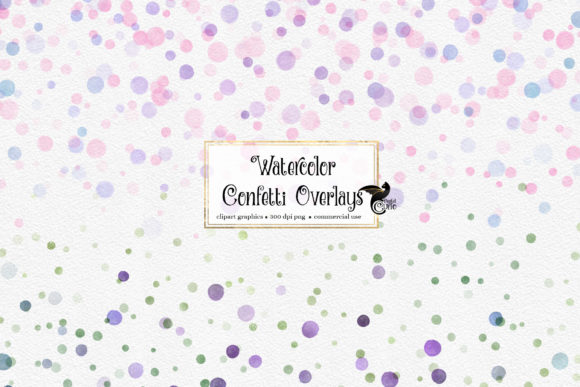
The Watercolor Confetti Clip Art exudes a hand-painted charm that aligns well with handmade businesses and those targeting a more organic audience. It’s not overly bold like some digital clipart; instead, it offers a delicate balance between subtlety and festivity. The watercolor texture gives it a tactile feel, even though it's digital, which is perfect for branding that leans into artisanal or indie vibes.
This design would appeal to customers looking for something fresh and celebratory without being garish. Think birthdays, weddings, baby showers, or even graduation-themed products. The confetti elements add movement and joy, while the watercolor base keeps things from feeling too synthetic. It’s an ideal match for small business branding in niches like stationery, greeting cards, and seasonal digital downloads.
Product Use Scenarios
I tested the Watercolor Confetti Clip Art across several potential sellable items and found it performed admirably in many areas:
- SVG Products: Works great as background accents or overlays in SVG files for Cricut projects, especially when paired with bold text or simple shapes.
- PNG Designs: Translucent layers allow for easy layering in designs like planner stickers, where subtle textures enhance the final look without overwhelming it.
- Clipart Bundles: Can be grouped with similar illustrations to create festive design bundles, especially for holidays or special events.
- Sublimation Designs: The soft colors and gentle gradients translate well onto mugs, tumblers, and apparel, offering a refined alternative to glitter-heavy graphics.
- Printable Wall Art: Adds a decorative touch to minimalist prints, especially when used sparingly in corners or along borders.
- Greeting Cards and Invitation Templates: Ideal for adding celebration flair without clashing with elegant layouts.
- T-Shirt Graphics: Best suited for smaller, curated placements—like a corner accent or behind text—to maintain clarity and visual hierarchy.
- Mug and Tumbler Wraps: Offers a charming, non-intrusive way to elevate casual drinkware into something memorable.
- Nursery Prints: Perfect for gender-neutral or baby shower collections due to its soft palette and joyful undertones.
- Seasonal Bundles: Easily adaptable for spring, summer, or holiday themes, depending on how you pair it with other illustrations and color schemes.
- Canva Templates: Adds personality to social media posts, blog headers, or event invitations with minimal effort.
- Cricut Projects: Handles well in layered paper crafts and scrapbooking kits, particularly if you’re going for a vintage or romantic theme.
- Digital Paper Packs: Acts as a beautiful overlay or pattern filler in printable backgrounds and calendars.
- Social Media Graphics: Enhances promotional visuals by adding depth and a handmade feel without distracting from key messages.
Where It Shines
One of the best aspects of this graphic design asset is its adaptability in large product previews. When placed on mockups like canvas prints or greeting cards, it adds a professional finish that makes listings stand out. It also fits well into themed bundles, such as “Spring Celebration Pack” or “Wedding Welcome Kit,” where consistency in tone is essential for brand identity.
For print-on-demand sellers, using Watercolor Confetti Clip Art on merchandise like tote bags or t-shirts works best when the layout remains uncluttered. Its transparent PNG format allows for seamless integration with white or pastel-colored bases, preserving the integrity of the design. In digital download shops, it supports visual storytelling by subtly reinforcing the mood of the content, whether it's a birthday card template or a motivational quote poster.
Use With Caution
While this illustration has a lot of potential, there are a few scenarios where it might not perform as well. For instance, avoid using it for tiny sticker details where the watercolor texture becomes pixelated or hard to cut cleanly. Also, steer clear of dark backgrounds unless you adjust the opacity or layer it with contrasting elements—its muted tones can get lost otherwise.
If you're creating text-heavy templates or need sharp, clean cutting lines for Silhouette or Cricut machines, double-check the SVG file quality. Some confetti pieces may have intricate edges that aren’t optimized for precision cutting. Always inspect the design at full scale before using it in any production setting.
Testing Before Launch
Before publishing your next Etsy product or Creative Fabrica listing, take time to test the Watercolor Confetti Clip Art in real-world contexts. Here are a few practical steps I recommend:
- Mockup Previews: Place the design on a variety of mockups (mugs, shirts, planners) to see how it looks under different lighting and angles.
- Thumbnail Appeal: Zoom out to check how it appears in marketplace thumbnails. If it blends too much with the background, consider simplifying the layout.
- Background Testing: Try it on both white and dark backgrounds to ensure visibility and contrast meet your standards.
- Print Color Accuracy: Print a sample at actual size to confirm that the watercolor hues remain vibrant and true to the digital version.
- File Resolution Check: Make sure all PNG and JPEG files are high-resolution (at least 300 DPI), especially if you plan to offer them as printable assets.
- Font Pairing: Experiment with pairing it with serif, sans serif, script, and display fonts to find the most complementary combinations.
- Commercial Licensing: Always verify that the asset includes a proper commercial license if you intend to use it in finished products you'll sell online.
Design Presentation Tips
To maximize the impact of Watercolor Confetti Clip Art in your listings, focus on product presentation. A well-designed thumbnail with this illustration can significantly boost click-through rates. Consider using it in corner accents or as a border element to guide the viewer’s eye toward the main message.
When building design bundles, include this clip art alongside other illustrations that share a similar style and theme. This helps maintain brand consistency and gives buyers a sense of a curated collection. For creative marketplace listings, highlight how it contributes to a more polished and professional appearance in customer-facing materials.
In social media promos, this asset can serve as a background or overlay to differentiate your ads from competitors who rely on stock photos or flat vector work. Just remember to keep the visual hierarchy in mind—don’t let the confetti distract from your core message or call-to-action.
Commercial Product Creation
From a commercial design perspective, this asset supports a wide array of digital product formats. Whether you're crafting digital paper packs for planners or designing sticker sets for crafters, the Watercolor Confetti Clip Art can act as a decorative element that enhances the overall look without overpowering the design.
It also plays nicely in packaging design for printables or physical goods. Adding it to download folders or product previews can give your shop a more organized and premium feel. For bloggers and content creators, it can subtly reinforce a post’s theme or serve as a header decoration in newsletters or blog banners.
Final Thoughts for Digital Sellers
The Watercolor Confetti Clip Art is a valuable addition to your design toolkit, especially if you're aiming for a soft, elegant aesthetic with a hint of celebration. As someone who constantly evaluates new illustrations for their usability in digital selling, I appreciate how this asset bridges the gap between handmade charm and digital scalability.
But like any graphic design asset, it requires thoughtful application. Test it thoroughly in your intended use cases, and always consider the needs of your target buyer. Will they perceive it as part of a cohesive brand identity? Does it support the message of your product? These are the kinds of questions that will help determine whether this illustration elevates your offerings or holds them back.
Overall, if you're a print-on-demand seller, Canva template designer, or anyone working within the creative marketplace, this illustration deserves a place in your library. Just make sure to use it wisely, with attention to detail and audience expectations.