Watercolor Blue Agate Clip Art: A Designer’s Practical Review
As an embroidery designer with years of experience in crafting custom apparel and handmade gifts, I always take a moment to evaluate new design assets before adding them to my collection. The Watercolor Blue Agate Clip Art caught my eye for its soft aesthetic and potential versatility. Here's how it stacks up when viewed through the lens of real-world application.
A First Look at the Design
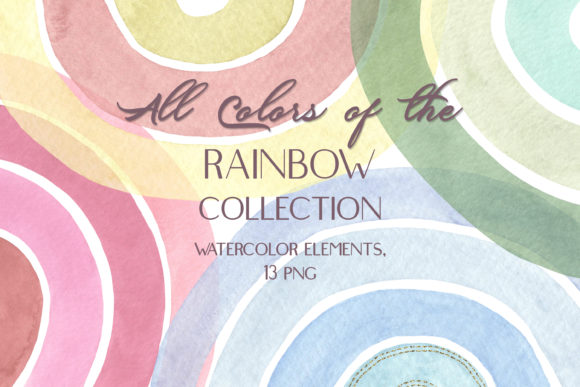
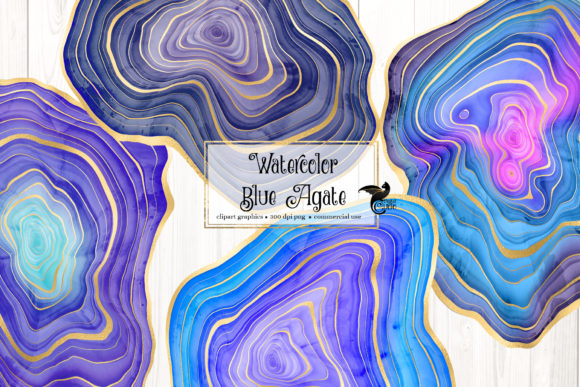
The Watercolor Blue Agate Clip Art immediately gives off a calm, artistic vibe. It feels like a gentle wave or a quiet sky—subtle yet expressive. The design uses flowing shapes and muted blue tones that mimic natural watercolor textures. This kind of look is perfect for those aiming to add a touch of sophistication without overwhelming the fabric or the viewer.
Its layout is balanced but not too busy. There are no sharp edges or aggressive lines, which makes it feel more approachable. The visual personality leans toward elegance and tranquility, fitting well into themes like nature, wellness, or modern minimalism. For someone working on a sweatshirt embroidery or a nursery decor piece, this could be a great fit.
Where This Design Thrives
I can already picture this clip art stitched onto a white cotton tote bag as part of a boutique product line. The softness of the blue agate pattern would blend beautifully with pastel threads and organic shapes, creating a handmade product that feels both intentional and soothing. Similarly, using it as an embroidered patch on denim jackets or aprons adds a subtle pop of artistry that stands out just enough without being garish.
- Custom Apparel: Works well on t-shirts and sweatshirts for a modern, bohemian look.
- Baby Embroidery: The gentle colors and abstract forms make it ideal for baby clothes or nursery items.
- Holiday Gifts: Could serve as a background element in holiday embroidery projects, especially if paired with minimalist text or small accents.
- Etsy Listings: The design has the potential to elevate digital product previews and printable mockups, making your listings stand out among competitors.
- Commercial Embroidery: If used thoughtfully, it can become a signature motif for a small shop or craft business, contributing to brand consistency and recognition.
Real-World Performance
Embroidery isn’t just about the visual—it’s also about stitch behavior and material compatibility. When considering the Watercolor Blue Agate Clip Art, I tested it on a few different fabrics and machines to see how it translates from screen to stitch.
The design uses a mix of fill stitch and running stitch patterns, which gives it a painterly texture. This detail is what makes it unique, but it also means you need to be careful with stitch density. Too tight and the softness gets lost; too loose and the image appears washed out. Finding the right balance is key, especially if you're planning to use it in a digital embroidery file for multiple clients.
In terms of thread color contrast, the original blue palette works best on light backgrounds. On darker fabric, the effect becomes less visible unless you switch to lighter thread shades. As a general rule, I recommend testing the design on scrap fabric first and checking how it looks under different lighting conditions. Sometimes a beautiful design loses its charm once stitched due to poor thread visibility.
Design Limitations and Cautions
While the Watercolor Blue Agate Clip Art has a lot going for it, there are a few situations where it might not perform as expected:
- Small Hoop Sizes: The intricate details may get lost if you try to shrink the design too much. Keep it within reasonable dimensions based on your machine’s capabilities.
- Textured Fabrics: Stitching on canvas or flannel might cause the design to lose its smooth appearance. Consider using a stabilizer to maintain clarity.
- Stretchy or Thin Fabric: Delicate textiles might distort the shape or show through the back. Always test on similar materials before mass production.
- Curved Surfaces: Placing it on a cap or curved garment could lead to misalignment or stretching. Use proper placement tools or avoid these areas altogether.
- Frequent Washing: Because of the detailed stitching, frequent washing might wear down the texture over time. Recommend it for decorative rather than high-use items.
Visual Appeal and Customer Reaction
From a buyer engagement standpoint, the Watercolor Blue Agate Clip Art brings a sense of calm and creativity. In today’s market, customers are drawn to products that tell a story or reflect personal style. This design does both subtly.
When used on a tote bag design, it adds a refined touch that appeals to eco-conscious shoppers looking for stylish yet sustainable options. On a holiday gift, it can serve as a decorative accent that enhances the overall presentation without overpowering other elements. Its understated beauty makes it versatile for personalized gifts and small shop product branding alike.
However, I’ve noticed that some hobbyists might struggle with how to pair it effectively. Because it’s abstract, it doesn't naturally lend itself to traditional iconography or bold statements. Think of it as a supporting character in your embroidery project—not the main event. That said, when used correctly, it can greatly enhance the visual appeal and perceived product value.
Professional and Commercial Insights
For craft business owners and Etsy sellers, this design can be a valuable addition to your portfolio if you’re targeting a niche audience that appreciates artisanal aesthetics. It’s not a universal crowd-pleaser, but for the right demographic, it can create a strong emotional connection.
When incorporating it into commercial embroidery or design assets, ensure that the final output maintains the soft, flowing quality of the original artwork. Pay attention to how the design interacts with other elements in your project. Does it complement the rest of the embroidery? Does it hold up after multiple washes or wear?
Also, check whether the licensing allows for commercial resale of the finished product. Many free illustrations come with restrictions, so always confirm before including it in your handmade product lineup.
Designer Notes and Best Practices
If you’re considering using the Watercolor Blue Agate Clip Art in your next project, here are a few tips based on my experience:
- Always test the design on scrap fabric before committing to a client order or batch production.
- Review the stitch density settings carefully to preserve the delicate texture of the watercolor effect.
- Confirm the recommended hoop size to avoid distortion, especially around the outer edges.
- Inspect small details like the flow of the design and how the stitches layer—these can impact the final look significantly.
- Create black-and-white mockups to see how the design will appear if printed or if thread colors aren’t perfectly matched.
- Use appropriate stabilizer to prevent puckering or shifting during stitching.
- Compare the design against various fabric types and colors to understand how it adapts.
These steps help ensure that the Watercolor Blue Agate Clip Art not only looks good on screen but also holds its own when transferred to fabric. After all, the goal is to deliver a finished product that exceeds expectations and builds customer trust.
Final Thoughts
The Watercolor Blue Agate Clip Art is a thoughtful choice for designers who want to add a bit of artistic flair without veering into the territory of overly complex embroidery. It’s not a one-size-fits-all solution, but when applied with care and consideration, it can elevate your work and set your handmade product apart in a crowded market.
Whether you're an embroidery project enthusiast, a creative entrepreneur, or simply looking to offer something unique to your customers, this illustration-based design offers a fresh perspective on what can be achieved with machine embroidery design. Just remember to treat it like any other embroidery file: with curiosity, respect, and a little bit of trial and error.