Lemon Watercolor Clipart Patterns: A Fresh Addition to Your Illustrations Collection
As an experienced crafter and handmade product designer, I’m always on the lookout for graphic design assets that bring a unique visual flair to my creations. Recently, I had the chance to review Lemon Watercolor Clipart Patterns, and I’ve been testing them in real crafting scenarios like Cricut projects, Silhouette designs, and printable products. In this review, I’ll walk you through what makes these illustrations stand out, how they can be used effectively in your handmade business, and where to use them with care.
First Impressions of Lemon Watercolor Clipart Patterns
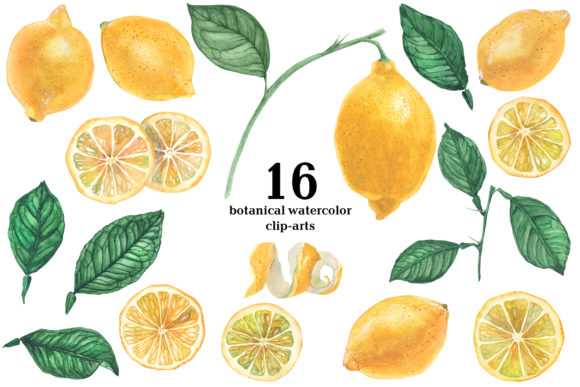
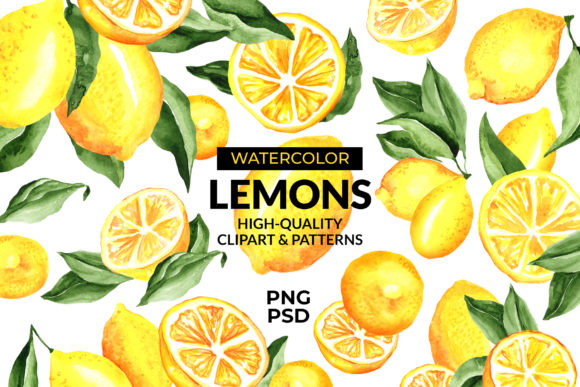
At first glance, the Lemon Watercolor Clipart Patterns evoke a sense of lightness and freshness. The watercolor style is soft, layered, and painterly—perfect for creating a whimsical or elegant vibe depending on how you apply it. These illustrations don’t scream bold or maximalist; instead, they whisper charm and simplicity. The lemon motif suggests themes like springtime, wellness, minimalism, or even a touch of Mediterranean inspiration.
If you’re into cottagecore aesthetics, botanical prints, or pastel palettes, these patterns will resonate with your creative sensibilities. They feel both modern and timeless, making them ideal for a wide range of handmade products—from greeting cards to tote bags, and everything in between.
Who Will Love This Design?
The target customer for products using Lemon Watercolor Clipart Patterns tends to appreciate handcrafted, artisanal goods with a soft, natural look. Think eco-conscious buyers, wellness enthusiasts, or those who love home décor with a personal touch. These clipart illustrations are especially appealing to people who value aesthetic consistency and want their purchases to reflect a lifestyle rather than just a product.
They work well for feminine, cozy, or minimalist brands. If your Etsy shop focuses on planner stickers, wall art, or gift tags, this set could easily become a staple in your seasonal collections or signature line of offerings.
Real-World Applications for Handmade Businesses
I've incorporated these watercolor patterns into several real-life crafting workflows. Here’s how they performed across different uses:
- Cricut Project: I used one of the larger SVG files on a wooden sign for a craft fair display. The soft curves and organic shapes translated beautifully onto vinyl, giving the piece a delicate, hand-painted appearance.
- Silhouette Project: I tested a smaller pattern on a custom tumbler wrap. The PNG version was clear enough for print-on-demand services, but I made sure to upscale the resolution before sending it off.
- Sticker Design: For a batch of sticker sets aimed at planners and bullet journals, the lemon watercolor pattern added a subtle decorative edge without overwhelming the layout.
- Mug Design: When designing a small run of mugs for a holiday collection, I layered the illustration with a handwritten font and found that it gave the product a warm, inviting feel.
- Printable Wall Art: The PNG files worked great as digital downloads, especially when paired with a clean sans serif font for titles or captions.
Best Uses for Lemon Watercolor Clipart Patterns
Here are some of the best applications for this graphic design asset based on my experience:
- Large Cut Files: The intricate yet flowing nature of the patterns works well when scaled up. They add depth and character to bigger surfaces like wood signs or canvas prints.
- Clean Printable Layouts: Whether you're creating a digital product or a physical print, these illustrations provide a refined look that complements minimalist backgrounds and layouts.
- Seasonal Craft Bundles: The lemon theme fits perfectly with spring and summer collections. Pair it with floral accents or citrus-inspired typography for a cohesive look.
- Gift Products: From personalized thank-you cards to packaging wraps, the soft watercolor tones create a thoughtful and premium impression.
- Decorative Accents: Use the patterns as background elements or overlays in scrapbooking, planner pages, or card-making. They add texture without competing with other design elements.
- Product Mockups: When showcasing your designs on social media or your website, the PNG versions allow for easy placement on mockups of mugs, shirts, or tote bags.
- Handmade Shop Collections: Incorporating these patterns into your Etsy product lineup helps maintain a consistent brand identity that appeals to your niche audience.
Where to Use With Caution
While Lemon Watercolor Clipart Patterns are versatile, there are a few areas where you should proceed carefully:
- Very Small Cutting Details: The fine brush strokes and subtle shading may not hold up well when cut at very small sizes. Always test your Cricut or Silhouette cuts at scale before mass production.
- Thin Lines or Crowded Compositions: If your project involves tight spacing or many overlapping elements, simplify the layout to avoid visual clutter.
- Low-Contrast Colors: Since the watercolor effect has varying opacity levels, ensure your chosen background or product color allows the design to stand out clearly.
- Layered Vinyl Projects: The soft edges and gradients may make it tricky to layer multiple vinyl pieces seamlessly. Consider using them as standalone accents or in combination with bolder outlines.
- Small Sticker Sizes: The detail in the clipart might get lost when printed on tiny stickers. Resize carefully and test on paper before finalizing any order.
Technical Tips for Using Lemon Watercolor Clipart
Before diving into a full production run, here are some practical steps I recommend to all handmade sellers and DIY creators:
- Test the File Before Selling Finished Products: Print or cut a sample to see how the details appear in real life. Especially important if you're planning to sell stickers, apparel, or vinyl products.
- Check If SVG Lines Are Clean: Open the SVG file in a vector editor like Adobe Illustrator or Cricut Design Space to ensure the lines are crisp and editable.
- Preview PNG Transparency: If you're using the PNG version for print-on-demand or digital mockups, check the transparency settings so the design doesn’t bleed or distort when overlaid.
- Confirm Resolution for Sublimation: Make sure the PNGs are high-resolution (at least 300 dpi) if you plan to use them for sublimation printing on tumblers or apparel.
- Test Colors Before Printing: Because of the watercolor blend, colors may shift slightly when printed. Always do a proof run to confirm the look matches your expectations.
- Check How It Looks on White and Dark Products: Some illustrations can appear washed out on darker materials. Test them on contrasting backgrounds to find the right balance.
- Place It on Real Mockups: Visualize the design on actual product mockups to see how it looks from different angles and lighting conditions.
- Resize It for Different Products: Adjust the size according to the item you're printing on—whether it's a large wall decal or a small planner accent.
- Simplify the Layout If Needed: If the design feels too busy, trim unnecessary parts or convert it into a repeating pattern for more flexibility.
- Pair It With the Right Font Style: I found that combining the lemon illustrations with a serif font or a soft script font enhances the overall aesthetic. Avoid pairing with overly bold or jagged fonts unless you're going for contrast.
- Confirm Commercial Licensing: Always double-check the commercial license terms if you're using this design for customer orders or selling in a creative marketplace like Etsy.
Why It Works for Small Business Branding
One of the things I appreciate most about Lemon Watercolor Clipart Patterns is their adaptability. They can easily be integrated into a small business branding strategy, whether you’re creating a logo backdrop, social media templates, or packaging labels. The muted palette and gentle style align well with brands that emphasize calm, creativity, or natural living.
For example, I used one of the patterns as a background for a thank-you card template and paired it with a handwritten font. The result felt authentic and aligned with the brand voice of my handmade shop. It also helped differentiate my products from generic, cookie-cutter designs available elsewhere on the market.
Final Thoughts for Creative Entrepreneurs
In summary, Lemon Watercolor Clipart Patterns offer a fresh and stylish addition to your design toolkit. As an illustration-based asset, it brings a level of sophistication and versatility that can elevate your handmade products and help you connect with customers who appreciate the finer details in design.
Whether you're working on a new line of stickers for your Etsy store, preparing for a local craft fair, or building a seasonal collection, these patterns have the potential to become a go-to resource in your workflow. Just remember to approach them with the same attention to detail that defines your handmade business—test them, refine them, and let your creativity guide how you incorporate them into your next project.
If you're looking for a design that balances beauty and usability while staying true to the essence of handcrafted goods, then these illustrations are worth considering for your next creative venture.