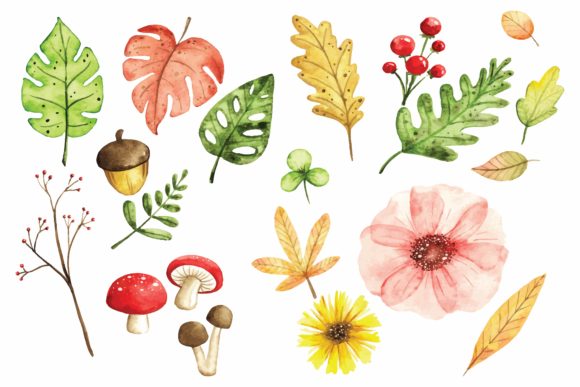
Floral Design Elements in Watercolor: A Designer’s Perspective
If you're an embroidery designer or a creative entrepreneur looking for something fresh and versatile, Floral Design Elements in Watercolor might just be the digital embroidery file that adds a soft, artistic flair to your handmade products. This design doesn’t shout; it whispers with elegance and charm, making it perfect for projects where subtlety and sophistication are key.
First Impressions and Visual Personality
The first thing I noticed when opening the Floral Design Elements in Watercolor file was the fluidity of the brush strokes. It carries the look of hand-painted illustrations, which is rare to find in machine embroidery files. The overall mood feels calm and organic—ideal for those who want their designs to reflect a sense of natural beauty without being too literal.
The layout is balanced yet open, allowing for easy customization. You can isolate individual flowers, use them as corner accents, or stitch them together for a more elaborate pattern. The level of detail is moderate, leaning toward illustrative rather than intricate. This makes it suitable for both small personal gifts and larger commercial pieces like sweatshirt embroidery or tote bag design, depending on how you manipulate the elements.
Where This Design Fits Naturally
I immediately thought of using this set for a custom baby apparel project. The watercolor aesthetic brings a gentle warmth that complements pastel colors and soft fabrics. It could also work beautifully on holiday gifts such as embroidered tea towels or pillow covers, especially if you’re aiming for a bohemian or cottagecore vibe.
For Etsy sellers, this design has strong giftability potential. It’s not too over-the-top but still visually appealing enough to stand out in a sea of bold, pixelated patterns. It fits well into boutique branding strategies and appeals to customers who value artisanal touches in their small shop product selections.
Performance in Real-Life Embroidery Projects
In testing, the Floral Design Elements in Watercolor performed admirably across a range of real-life embroidery applications. When stitched onto a mid-weight cotton blend for a tote bag design, the design maintained its softness while holding shape and clarity. The same goes for sweatshirts—using satin stitch along the outlines gave it a nice sheen without overwhelming the fabric texture.
On baby clothes, particularly onesies or sleepers, the design felt just right. It wasn’t too busy, nor did it lack personality. The watercolor style gives a sense of care and craftsmanship, which is exactly what parents look for in personalized gifts. I also tried it on aprons and found that the floral clusters worked well as decorative accents, especially near seams or pockets.
As for commercial embroidery, this file shines when used in curated sets for digital embroidery file collections. Whether you're preparing printable mockups for your Etsy listings or designing a line of nursery decor, these elements can be mixed and matched to create unique variations that still maintain brand consistency.
What Works Well
- Handmade Presentation: The watercolor look enhances the perceived quality of any finished product, from custom apparel to embroidered patches.
- Customer Trust: Clients often respond positively to designs that feel intentional and artistic, which this one delivers.
- Buyer Engagement: On social media or in online shops, these visuals catch attention and encourage clicks, thanks to their soft yet vibrant appearance.
- Giftability: The design's delicate nature makes it ideal for personalized gifts and seasonal items like holiday embroidery projects.
When to Use Carefully
While Floral Design Elements in Watercolor is flexible, there are a few scenarios where extra attention is needed. For example, if you plan to stitch it in a small hoop size (like under 4 inches), some details may get lost or appear cramped. Always check whether the individual elements scale well and adjust spacing accordingly.
Textured fabrics can interfere with the clean lines of the design. If you're working with linen or canvas, consider simplifying the stitch density or reinforcing the area with stabilizer. Thin or stretchy materials like rayon or jersey will require careful planning too—especially for dense areas or fill stitches, which may distort the fabric if not properly stabilized.
Dark fabric backgrounds are another consideration. The muted tones of the watercolor design may not pop as much against black or navy blues. In these cases, test with contrasting thread colors or white threads to see how they interact. Also, avoid stitching this design on products that undergo frequent washing, unless you’re confident in the fabric and stabilizer choices. Over time, some of the finer running stitch details might fade or loosen.
Designer Notes for Best Results
- Test on Scrap Fabric First: Before committing to a client project or batch production, always do a sample run to assess how the design behaves on your chosen material.
- Check Thread Color Contrast: Even though the file likely comes with suggested thread colors, make sure they work well on your specific fabric. A black-and-white mockup can help you visualize contrast before stitching.
- Review Stitch Density: Some parts of the design may have heavier fill stitches. Adjust the density to suit the fabric weight and avoid puckering.
- Confirm Hoop Size: If you're using smaller components or multiple elements, ensure your hoop size allows room for trimming and won’t compress the design.
- Inspect Small Details: Look closely at tiny petals or stems. Depending on your machine and needle type, they may need reinforcement or simplification.
- Use Proper Stabilizer: Especially on stretchy or thin materials, a tear-away or cut-away stabilizer can make all the difference in maintaining the design’s integrity after washing.
- Compare Light and Dark Backgrounds: The visual impact of the design varies significantly depending on fabric color. Try different combinations to find the most flattering results.
- Check Licensing Before Selling: If you're using this as part of a commercial embroidery project or selling digital embroidery files, confirm the licensing terms to avoid legal issues down the road.
Beyond the Needle: Design Value and Branding Impact
One of the strengths of Floral Design Elements in Watercolor is how it elevates the visual appeal of even the simplest projects. Its artistic touch can transform a basic tote bag into a high-end, boutique-style item. As an embroidery project, it helps establish a cohesive and professional look across your handmade product offerings.
From a branding perspective, these illustrations add a signature style to your craft business. They’re adaptable enough to work in monochrome versions for minimalist branding, yet colorful enough to serve as statement pieces in seasonal collections. For small shop merchandise, this kind of flexibility is invaluable.
However, the design isn’t one-size-fits-all. If your target audience prefers bold, graphic styles, this might not resonate as strongly. But for niche markets like indie boutiques, wedding gift makers, or lifestyle brands focusing on handmade aesthetics, it’s a powerful asset.
Stitching Clarity and Product Value
Stitching clarity is excellent when executed correctly. The design uses a combination of satin stitch, fill stitch, and running stitch to define shapes and add depth. However, because it mimics hand illustration, some edges can be subtle. Make sure your machine is in good condition and your tension settings are dialed in to preserve those delicate transitions.
As for product value, this design adds a premium feel to otherwise ordinary items. An embroidered tea towel or kitchen towel becomes a conversation piece when adorned with watercolor florals. Similarly, a plain cap or hat gains instant character with a small floral motif stitched near the brim.
Final Thoughts for the Practical Designer
Floral Design Elements in Watercolor is not just another embroidery file—it's a collection of thoughtful, artistic illustrations that bring a breath of life to everyday embroidery projects. Whether you're creating personalized gifts or building a line of custom apparel, this design offers a unique blend of softness and structure that’s hard to find elsewhere.
It’s important to remember that no design works perfectly in every context. Take the time to understand how each element reacts to different materials and settings. With proper preparation and attention to detail, you’ll unlock the full potential of this beautiful set.
So go ahead, give it a try—but don’t skip the test stitch. Let your creativity guide you, and let the Floral Design Elements in Watercolor bring a little artistry to your next project.